





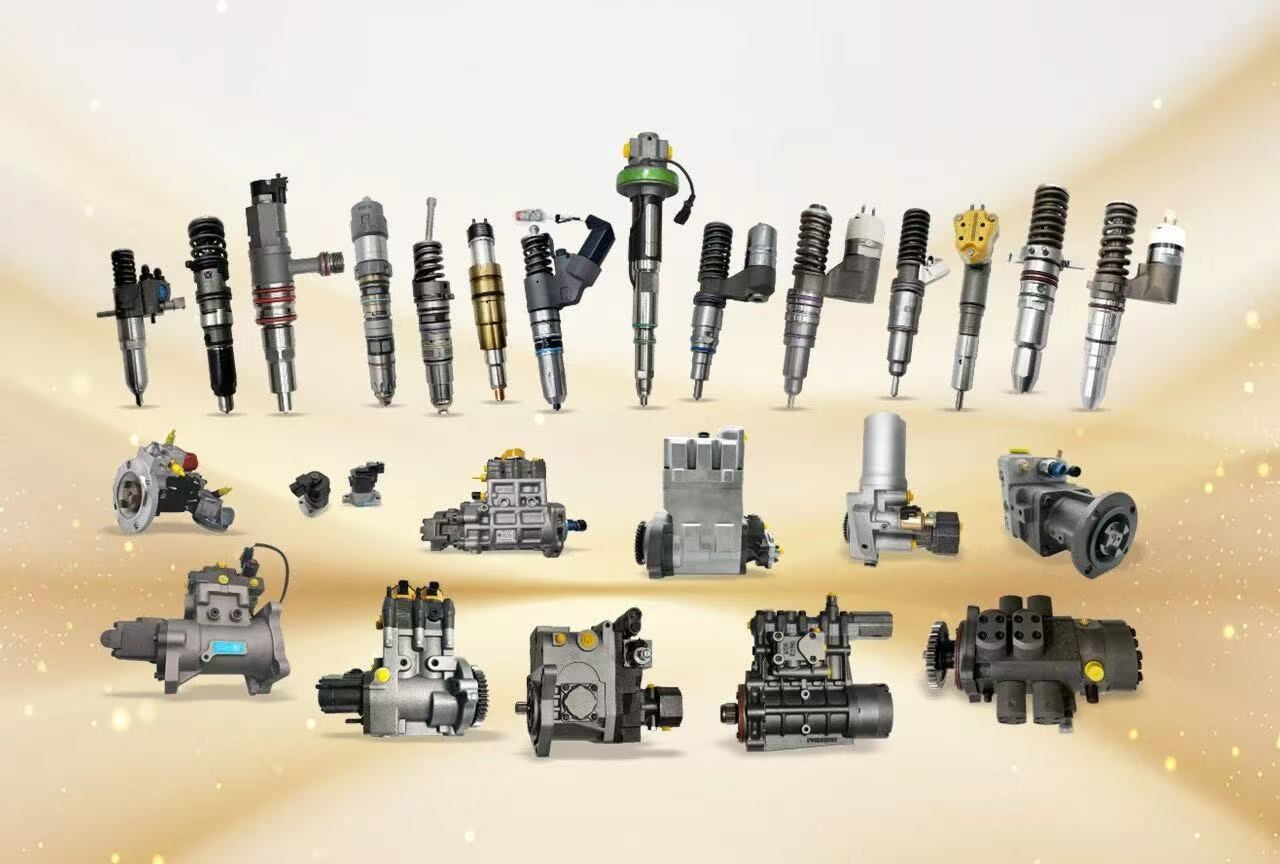
What is a diesel fuel injector?
A fuel injector is a precision valve in a car's engine that sprays a fine, atomized mist of fuel into the combustion chamber or intake manifold at the precise moment, controlled by the engine's electronic control unit (ECU). This ensures an optimal air-fuel mixture for efficient combustion, leading to higher engine efficiency, better fuel economy, and lower emissions compared to older carburetor systems.
How it works
Fuel delivery: A fuel pump sends high-pressure fuel to the injectors.
ECU control: The engine's ECU sends an electrical signal to the injector.
Valve opening: The signal activates a solenoid within the injector, which opens a needle valve.
Fuel injection: High-pressure fuel is then sprayed through a precision nozzle, creating a fine mist that atomizes into the engine's air.
Combustion: This atomized fuel mixes with air and is then ignited to power the engine.
Key functions and benefits
Precise fuel delivery: Delivers the exact amount of fuel needed for the engine's current operating conditions, unlike the less precise fuel delivery of carburetors.
Efficient combustion: The atomized fuel mist allows for better mixing with air, leading to a more complete burn and higher engine efficiency.
Improved fuel economy: By optimizing fuel usage, injectors help vehicles achieve better gas mileage.
Reduced emissions: More efficient and complete combustion reduces the amount of unburned fuel particles and other harmful emissions.
Enhanced engine performance: A proper fuel-air mixture leads to a smoother-running engine and more reliable performance.
Types of fuel injection systems
Direct injection (DI): Fuel is injected directly into the main combustion chamber of the cylinder.
Indirect injection: Fuel is injected into the intake manifold, where it mixes with air before entering the combustion chamber.